

Hookah Popularity in Europe: From Historic Cafés to Rooftop Lounges
FAQ Quick Guide:
- Q: Why has hookah become so popular in Europe?
A: Hookah popularity in Europe has grown due to cultural exchange, its appeal as a social ritual among younger demographics, and the rise of high-quality, design-focused shisha lounges in Europe. - Q: What is European Shisha culture?
A: It refers to the localized adaptation of hookah, blending traditional Middle Eastern practices with modern European leisure, design aesthetics, and social nightlife. - Q: Where are the best places to experience hookah in Europe?
A: Major cities like Berlin, Paris, and Barcelona, as well as many university towns, feature a diverse range of venues, from traditional cafés to contemporary rooftop shisha lounges in Europe.
In recent years, hookah popularity in Europe has experienced a remarkable surge, driven by a vibrant mix of cultural integration, evolving lifestyle preferences, and new social dynamics. From time-honored cafés in Eastern Europe to stylish rooftop venues and modern shisha lounges in Europe, the waterpipe has secured a significant presence across the continent. This growth is intimately connected to the expanding influence of European Shisha culture, which uniquely merges heritage with contemporary innovation.
Understanding the Rise of Hookah Popularity in Europe
The expansion of European Shisha culture can be attributed to several pivotal factors. Firstly, increasingly multicultural urban centers have introduced traditional hookah customs to broader audiences. Secondly, younger generations are adopting hookah not merely as a smoking activity but as a core social ritual—a shared experience that defines evening entertainment and casual gatherings.
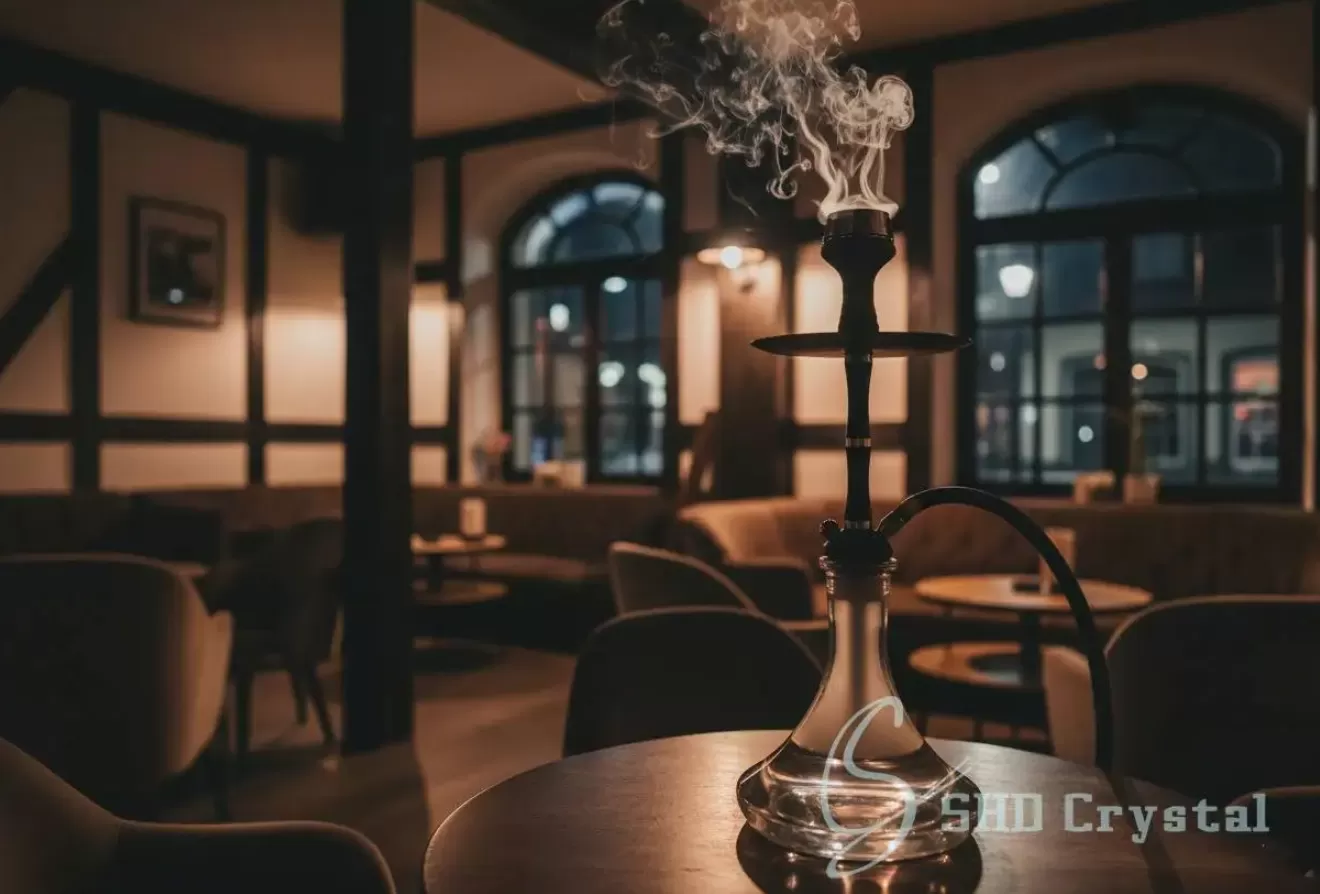
Many contemporary establishments prioritize premium setups, utilizing high-grade coals, artisanal glass bases, and inventive flavor profiles to elevate the session. European Shisha bars frequently fuse classic Middle Eastern design elements with modern aesthetics, crafting environments where tradition intersects with a contemporary lifestyle.
A Brief Historical and Demographic Perspective
Hookah initially entered Europe through historical trade and cultural exchange, with early coffee houses in cities such as Vienna and Paris presenting waterpipes as exotic curiosities centuries ago. Over the past twenty years, this once-specialized practice has transformed into a mainstream social activity, particularly among young adults.
Beyond metropolitan nightlife, numerous university towns and coastal destinations have witnessed a proliferation of European Shisha cafés serving international students and tourists. This demographic shift has been instrumental in molding the modern scene, integrating traditional configurations with current leisure trends.
Social Culture and the Modern Lounge Experience
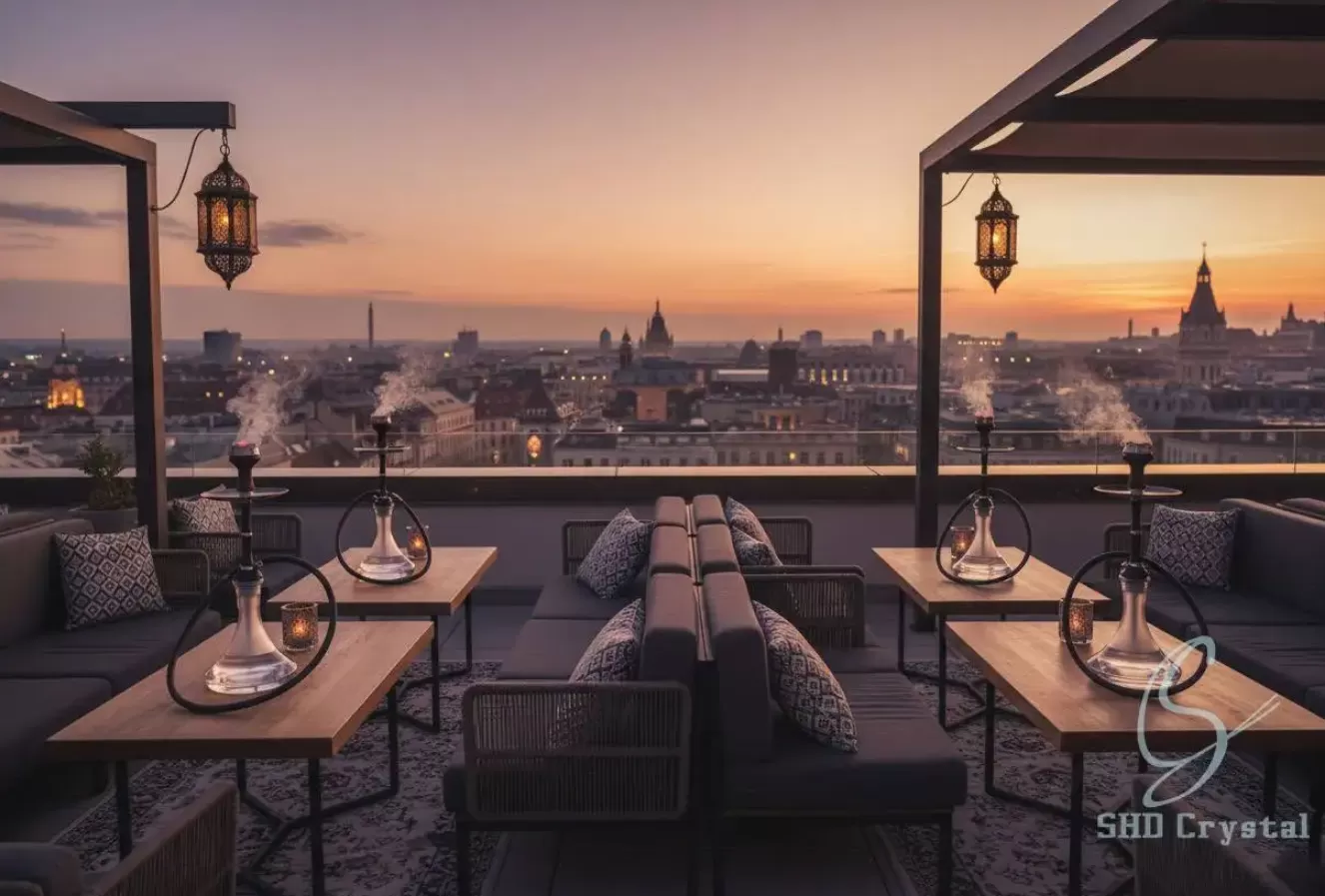
A primary catalyst for hookah popularity in Europe is the seamless integration of European Shisha into mainstream social culture. Rooftop venues in Berlin, terraces in Paris, and seaside shisha lounges in Europe all exemplify this cultural synthesis. These spaces position hookah as an integral component of a broader leisure package—often accompanied by craft cocktails, curated music, and ambient lighting—to attract both residents and visitors.
In contrast to brief, solitary smoking, European Shisha setups typically promote longer, communal experiences. Groups congregate around ornate hookahs, engage in conversation, and savor slow, flavorful sessions that prioritize connection and relaxation.
This evolution extends beyond major capitals. Cities like Kraków, Porto, and Ghent have embraced European Shisha as part of their local urban character. Community-oriented shisha lounges in Europe often serve as cultural hubs, hosting live music, artistic events, and exhibitions focused on hookah craftsmanship. This demonstrates how waterpipe culture is increasingly perceived not as an import, but as a localized facet of European social life.
Future Trends and Cultural Evolution
Industry analysts forecast that hookah popularity in Europe will continue to ascend as lounges implement hybrid models—combining traditional methods with sustainable materials, digital service systems, and immersive design. The role of European Shisha in tourism is also expanding, with cities like Berlin and Barcelona featuring prominent lounges in travel guides as cultural destinations. This fusion of heritage, innovation, and accessibility indicates that hookah’s position within Europe’s social fabric is both substantial and enduring.
Conclusion
The ascent of hookah popularity in Europe illustrates a captivating cultural synthesis, where age-old rituals merge with modern social practices. Through the proliferation of European Shisha culture and the increasing number of sophisticated shisha lounges in Europe, hookah has transcended being a mere pastime to become a definitive shared experience, continuously shaping the continent’s contemporary leisure landscape.
Define Your Lounge with Premium Craftsmanship
The flourishing hookah popularity in Europe is as much about quality and design as it is about culture. Complement the sophisticated atmosphere of modern shisha lounges in Europe with elegantly crafted glassware. Our OEM services provide premium, hand-finished glass bases and accessories that ensure optimal performance and distinctive visual appeal. Explore custom design options to elevate your venue’s signature style
A Glimpse into the Modern European Scene
To truly grasp the modern iteration of European Shisha, experiencing a leading venue is key. One notable example is Adara Lounge in Berlin.
- Adara Lounge | Berlin, Germany
- Address: Boxhagener Str. 75, 10245 Berlin
- Overview: This contemporary lounge epitomizes the evolution of European Shisha culture. With its refined interior, atmospheric lighting, and meticulously curated flavor selection, Adara seamlessly blends traditional hookah ritual with modern urban design.