

Temperature Tolerance of Glass Hookah: Mastering Heat Resilience
Core keywords: temperature tolerance of glass hookah, thermal shock resistance in hookah glass, heat-resistant hookah base
FAQ
What is the most important factor in a glass hookah's heat resistance?
The most critical factor is the material composition. Borosilicate glass offers superior thermal shock resistance in hookah glass compared to standard soda-lime glass, allowing it to withstand abrupt temperature changes of up to 165°C without cracking. This defines the fundamental temperature tolerance of glass hookah.
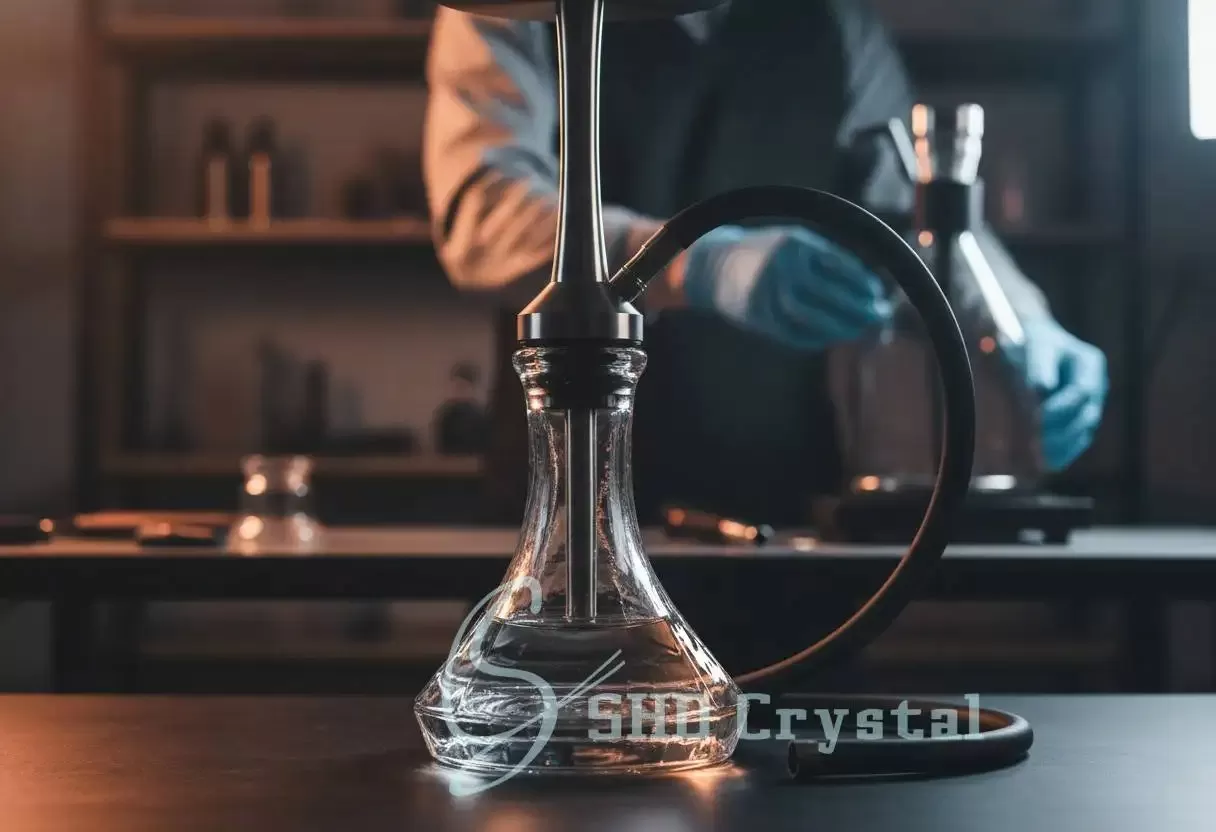
How can I prevent my hookah base from cracking during use?
Prevention centers on managing thermal gradients. Always use room-temperature or slightly cool water in your heat-resistant hookah base. Never add ice water to a warm base or expose it to direct, intense heat sources. Allow gradual heating and cooling, and place the base on an insulating mat to buffer against cold surfaces.
Does cleaning method affect the hookah's temperature tolerance?
Absolutely. Always rinse your base with lukewarm water—never extreme temperatures—during cleaning. Sudden thermal shock from hot to cold water is a leading cause of micro-fractures that degrade the temperature tolerance of glass hookah over time, compromising its thermal shock resistance.
Within a waterpipe system, the temperature tolerance of glass hookah components is the single most critical determinant of both operational safety and long-term performance. This inherent property defines how effectively the glass resists the stresses of rapid heating, active cooling, and the microscopic fracture points that develop with each session. Without informed handling, even the most exquisitely designed piece can fail catastrophically under uneven thermal stress. For manufacturers, distributors, and café operators alike, mastering this thermal control is essential—it prevents accidents, ensures consistent draw quality, and protects valuable inventory.
Material Science: The Foundation of Thermal Resilience
Understanding the temperature tolerance of glass hookah begins at the molecular level with its composition. Two primary glass types are prevalent:
- Borosilicate Glass: Engineered with boron trioxide, this material boasts a low coefficient of thermal expansion. It can typically withstand abrupt temperature differentials of up to 165°C without fracturing, making it the industry standard for high-performance and professional-use hookahs.
- Soda-Lime Glass: Common in decorative and cost-sensitive pieces, it offers excellent optical clarity and color options but is more susceptible to thermal shock. It requires careful, gradual temperature transitions.
Selecting the appropriate glass type is the first and most crucial step in ensuring adequate thermal shock resistance in hookah glass. Borosilicate-based systems are non-negotiable for high-volume commercial environments where reliability is paramount.
The Heat-Resistant Hookah Base: Your Thermal Buffer
The heat-resistant hookah base is not a passive container; it is the system's primary thermal buffer. Its water volume absorbs and dissipates heat conducted down from the stem, preventing dangerous localized hot spots. To maximize this function and preserve the temperature tolerance of glass hookah:
- Optimal Water Level: Fill to just above the downstem, typically at the curve of the neck. Overfilling reduces air volume and thermal capacity.
- Avoid Thermal Shocks: Never introduce ice-cold water into a base that is warm from use or cleaning. Always allow components to approach room temperature first.
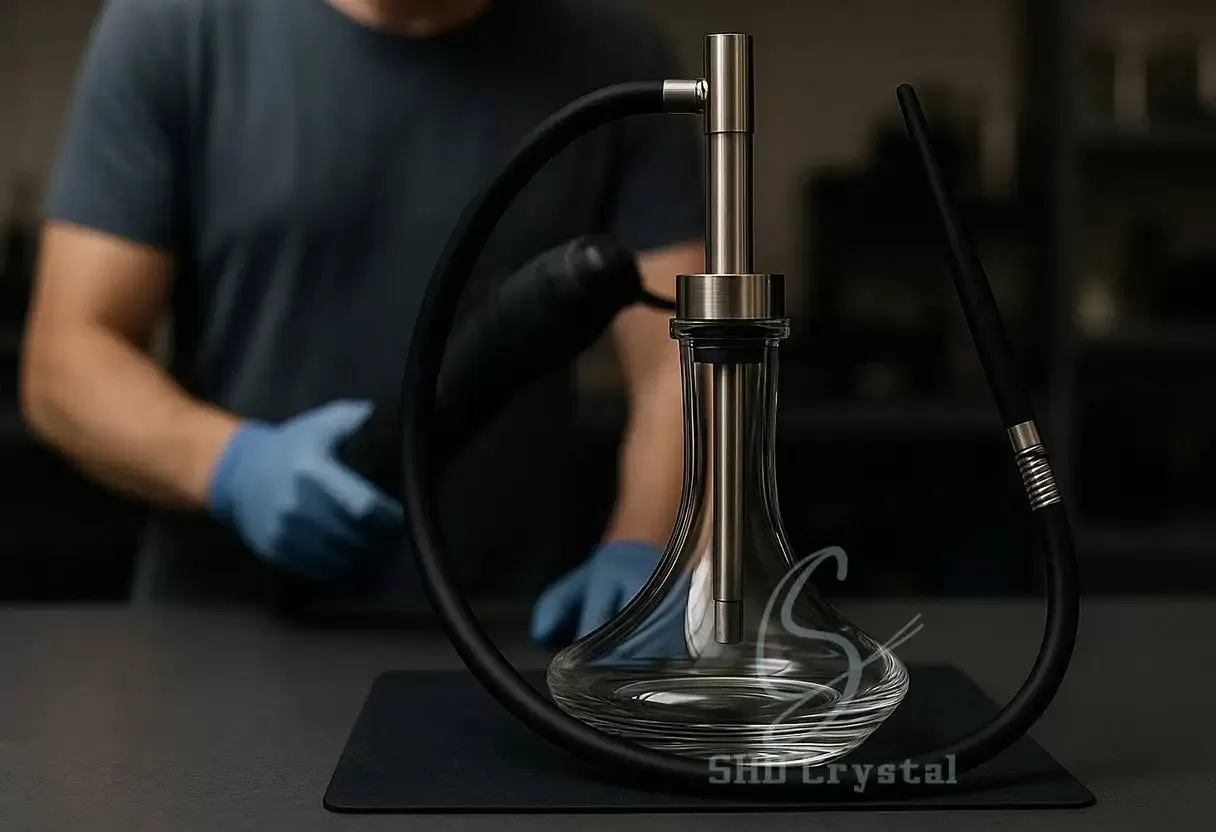
- Use Insulating Mats: Place the base on a cork, silicone, or felt mat to isolate it from cold countertops that can create a severe temperature gradient at the point of contact.
These disciplined practices directly extend the equipment's lifespan and enhance session-to-session consistency.
Environmental Factors & Operational Best Practices
External conditions significantly influence thermal performance. Drafts, air conditioning, or outdoor humidity can accelerate or unevenly affect cooling rates. The professional methodology involves:
- Gradual Heating: Use a wind cover and position coals carefully to apply heat incrementally to the bowl, rather than exposing any part of the setup to direct, intense flame.
- Ambient Awareness: In very cold environments, allow the entire hookah to acclimate to room temperature before assembling and using it.
This controlled approach mitigates internal stress and maximizes the inherent thermal shock resistance in hookah glass, allowing the vessel to adapt safely to variable conditions.
Cleaning: A Critical Ritual for Longevity
Residue buildup isn't just unhygienic—it creates uneven surfaces that disrupt heat distribution and trap thermal energy. Proper cleaning is fundamental to preserving the temperature tolerance of glass hookah:
- Always pre-rinse with lukewarm water to remove loose debris and normalize temperature.
- Use a mild, neutral-pH detergent and a soft brush. Avoid abrasive pads or harsh chemicals.
- Rinse thoroughly with lukewarm water and air-dry completely. Inspect periodically with a bright LED light against a dark background to reveal any hairline cracks early.
This routine is a direct investment in maintaining the structural integrity and thermal shock resistance of your glass.
Expert Craftsmanship & Verified Performance
At SHD Crystal, thermal resilience is engineered from the outset. Our artisans and technologists employ:
- Controlled Annealing: Each piece undergoes a precise, slow cooling cycle in a lehr oven to relieve internal stresses introduced during forming.
- Precision Engineering: Uniform wall thickness and seamlessly integrated neck joints are critical design priorities, as inconsistencies are primary failure points under thermal stress.
- Advanced Testing: We utilize infrared thermography to map heat distribution across production batches, ensuring every heat-resistant hookah base meets our rigorous performance standards.
This meticulous process results in glassware with up to 30–40% greater thermal durability than non-calibrated alternatives, delivering certified reliability.
Conclusion: Durability by Design, Preserved by Practice
The modern temperature tolerance of glass hookah represents a sophisticated synthesis of advanced chemistry, masterful craftsmanship, and diligent daily care. By respecting controlled heating cycles, adhering to gentle cleaning rituals, and sourcing from verified manufacturers who provide transparent performance data, users and professionals alike safeguard both safety and aesthetic beauty. A properly maintained heat-resistant hookah base is the ultimate testament to this philosophy—proof that durability is not a matter of chance, but the inevitable result of understanding and applying the principles of controlled physics.
Optimize Your Setup with Expert Knowledge
Elevate your understanding and practice. Request our exclusive expert guide on mastering the temperature tolerance of glass hookah, featuring proven methods for enhancing thermal shock resistance in hookah glass and step-by-step maintenance protocols for maximizing durability, safety, and performance.